
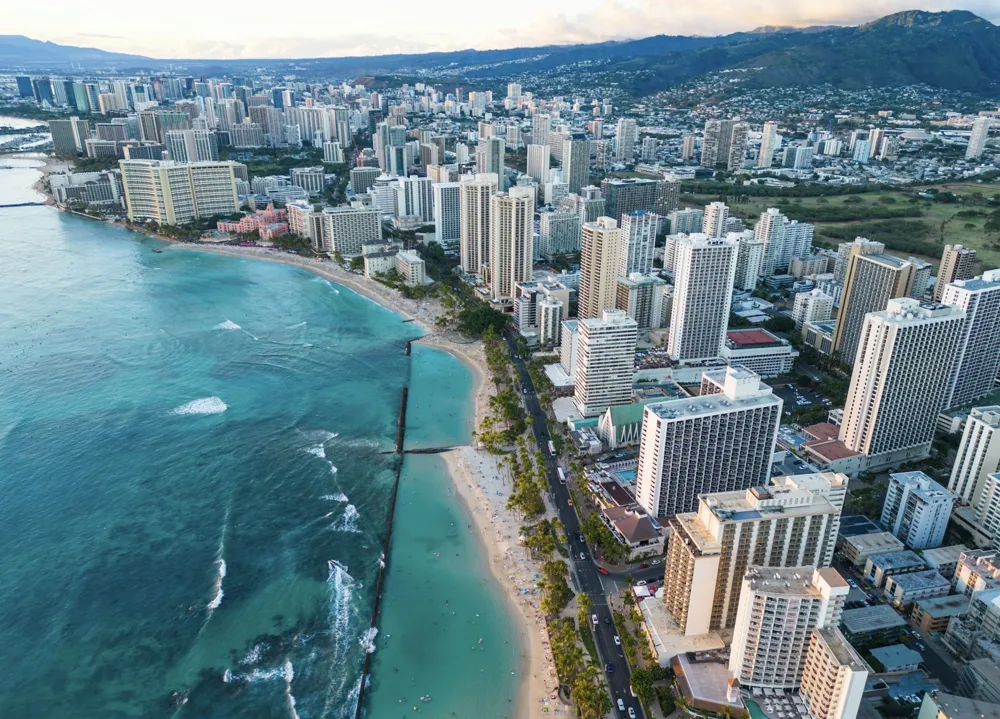
Honolulu, Hawaii sits at the crossroads of paradise living and global demand, and that creates a housing landscape unlike anywhere else in the United States. If you’re tracking real estate market trends in Honolulu, expect a continued story of limited supply, high desirability, and micro-markets that move at different speeds. From luxury oceanfront enclaves near Diamond Head to urban towers in Kaka‘ako and classic bungalows in Kaimukī, each neighborhood has its own rhythm—and understanding those nuances is the key to making smart decisions.
I’m John Mack with Option One Realty, and I spend every week analyzing inventory shifts, buyer behavior, and neighborhood-level pricing patterns for clients across Honolulu. Below is a deep, practical look at what’s driving the Honolulu real estate market now, how to interpret the signals, and actionable strategies whether you’re buying, selling, or investing.
Several local forces combine to shape Honolulu’s housing market. If you understand these, you’ll understand why prices and days-on-market can behave differently here than on the mainland:
Result: Expect overall tight inventory, strong competition for well-located single-family homes, and a condo market that’s more segmented (older buildings with higher maintenance fees can move slower than newer, amenity-rich towers).
Honolulu isn’t one market. Here’s how key areas are trending and what to watch for:
Waikīkī: Honolulu’s most globally recognizable neighborhood remains a condo-dominated market. Investors pivot toward buildings that allow legal short-term rentals within resort zones, while many other buildings are suited for 90-day minimum stays or long-term leases. Expect a wide range of price points shaped by building age, amenities, maintenance fees, and whether the unit is fee simple or leasehold. Ocean views and parking are major value drivers.
Kaka‘ako and Ala Moana: This is Honolulu’s flagship urban revitalization zone. Newer luxury and luxury-adjacent towers, curated retail, and parks have created a live-work-play hub that appeals to both local professionals and second-home buyers. Resale opportunities in this district often see healthy demand for modern finishes, ocean or Diamond Head views, and walkability to the beach. Maintenance fees can be higher but cover extensive amenities. Inventory ebbs and flows with new project releases, so timing matters.
Downtown/Chinatown, Iwilei, and Kalihi: Rail and TOD plans are the long-term story here. Expect interest in older condos, walk-ups, and mixed-use properties that could benefit from future neighborhood upgrades. Investors look for solid rent-to-price ratios, but underwriting must account for building condition and any upcoming association projects.
Diamond Head, Kahala, and the Gold Coast: Stable luxury with extreme scarcity. Oceanfront co-ops along the Gold Coast and estate homes in Kahala often see limited days on market when priced correctly. Buyers are typically lifestyle-driven and value privacy, lot size, and proximity to beaches and private clubs. Due diligence here includes coastal risk, insurance, and any shoreline considerations.
Manoa, Makiki, and Nuuanu: Charming older homes, mature trees, and cooler valley breezes. Proximity to UH Mānoa supports steady rental demand. Buyers should be prepared for older home inspections (plumbing, electrical, roof age) and potential termite mitigation. Well-maintained properties sell briskly; deferred maintenance creates opportunities for renovation-minded buyers.
Kaimukī, Kapahulu, and Palolo: Classic Honolulu bungalows and duplexes with personality. Proximity to Diamond Head and Waikīkī beaches, plus a vibrant local food scene, keeps demand high. Many owners explore ADUs to enhance value and generate rental income. Street parking and lot configuration influence pricing—corner lots are often prized.
Hawai‘i Kai (East Honolulu): Marina-front living, ridge-line views, and larger single-family homes. Outdoor lifestyle amenities (boating, paddling, hiking) add a premium. Pay attention to wind exposure on ridge homes and insurance considerations for waterfront properties.
Salt Lake and Moanalua: Condo clusters with strong appeal to VA buyers and commuters. These neighborhoods offer relative value compared to the urban core, plus quick freeway access to Honolulu’s employment centers.
Single-family homes: Scarcity is the headline. Well-priced, move-in-ready homes in desirable school districts often attract multiple offers. ADU potential increases long-term utility and resale appeal. Yard space, parking, and privacy remain evergreen value factors.
Condos: Performance varies by building age, fees, and policy. Newer towers with resort-style amenities and strong reserves maintain demand. Older buildings can lag if maintenance fees are high or if major projects (plumbing risers, elevators, facade) loom. Ocean views, lanais, parking, and pet policies materially affect value.
Leasehold vs. fee simple: Leasehold remains common in parts of Waikīkī and older buildings. Lease terms, renegotiation dates, and expiration timelines impact financing and resale value. Fee simple generally commands higher prices but can offer better long-run stability. This is a crucial due diligence area where targeted guidance saves buyers from surprises.
Honolulu’s rules shape investment returns:
Short-term rentals: Most residential neighborhoods require stays of 90 days or longer. Legal short-term rentals are concentrated in resort-zoned areas of Waikīkī and in specific buildings that permit them. Compliance is key—noncompliant rentals face stiff penalties and community scrutiny.
Property taxes and exemptions: Honolulu’s property tax rates are relatively low compared to many mainland markets, but classifications matter. Owner-occupants can apply for a home exemption, while non-owner-occupied properties and high-value tiers may be taxed differently. Always model your property tax scenario accurately.
Insurance and HOA reserves: Rising insurance costs and reserve requirements influence HOA budgets. Investors should review association documents for reserve studies, upcoming projects, and historical special assessments. A healthy reserve balance reduces the risk of surprise expenses.
Rent demand: Proximity to employment hubs, universities, hospitals, and transit drives steady occupancy. Units with parking, laundry, and air flow (trade winds) command a premium and reduce turnover.
Kaka‘ako/Ala Moana pipeline: New towers continue to shape supply, offering everything from studio pied-à-terres to luxury penthouses. This pipeline moderates price pressure in the condo segment while raising neighborhood quality and amenities.
Rail and TOD: As Honolulu’s Skyline expands toward the urban core, land around future stations is primed for mid-rise housing and mixed-use redevelopment. Properties near planned stations in areas like Iwilei and Kalihi stand to benefit over time, though timelines vary. Patience can pay off for value-add investors here.
Permitting reality: Renovation plans and ADU additions must account for permitting timelines. Buyers who need immediate move-in readiness often outbid those planning heavy renovations; conversely, patient renovators can create equity by improving dated homes.
Hawai‘i’s climate realities are part of smart ownership:
Flood and coastal considerations: Review flood zones, elevation, and drainage. Oceanfront and low-lying properties require careful insurance and maintenance planning, particularly around king tides.
Hurricane preparedness: While O‘ahu is shielded compared to some islands, best practices include impact protection, roof condition, and securing lanai items. Insurers consider mitigation steps favorably.
Aging infrastructure: For condos, evaluate plumbing, elevators, fire systems, and concrete spalling repair history. For single-family, check roofs, post-and-pier foundations, and drainage. Strong reserves and recent upgrades support value stability.
Get truly local pre-approval: Honolulu listing agents and sellers favor buyers pre-approved by reputable local lenders who understand condo warrantability, leasehold financing, VA nuances, and HOA reviews.
Focus on micro-markets: Instead of “Honolulu in general,” target 2–3 neighborhoods whose inventory matches your lifestyle. Track new listings daily, tour quickly, and learn building-by-building differences.
Strengthen your offer terms: Consider flexible closing timelines, reasonable rent-back options, and appraisal strategies that fit your budget tolerance. Rate buydowns and local lender incentives can improve affordability.
Inspect with intention: In older homes and condos, budget for near-term improvements. For leasehold, underwrite multiple scenarios (lease rent adjustments, renegotiation milestones) before you write.
Consider ADU potential: In select zones, adding an ADU can transform long-term cost of ownership. Verify zoning and setbacks early.
Pre-list preparation: Minor repairs, fresh paint, landscaping, and decluttering elevate first impressions. In condos, clean lanais, verify working split A/C, and present storage solutions.
Upfront disclosures: Hawai‘i’s disclosure standards are robust. Provide full documentation (permits, warranties, association docs, TIR for termite inspections) to build buyer confidence and reduce renegotiation.
Pricing with precision: Price to the last three to six relevant comparables—by street or by stack for condos. A sharp initial price generates urgency; overpricing risks stale days-on-market.
Professional presentation: High-quality photos, video, and floor plans are essential, especially for off-island buyers. Staging that highlights island lifestyle—breezes, indoor-outdoor living—sells the Honolulu experience, not just the square footage.
Gradual normalization: If rates stabilize, expect steady demand with modest price appreciation in the single-family segment and selective strength among newer, amenity-rich condos.
Luxury resilience: Trophy properties and best-in-class buildings should remain competitive due to scarcity and lifestyle demand.
Value in older inventory: Thoughtful renovations and energy upgrades in older homes and condos can unlock appreciation, especially near TOD corridors and employment hubs.
Rentals remain solid: Long-term rental demand is supported by a diversified local economy, the university, healthcare, and defense sectors.
The biggest wildcard remains inventory. If listings stay tight, the best-located properties will continue to command premiums.
Honolulu is a market of details. The difference between a good deal and a great one often comes down to understanding a specific building’s reserve study, a microclimate on a particular ridge, or a leasehold renegotiation date that will affect financing.
Here’s how I help clients win:
Neighborhood-by-neighborhood strategy: I pair your goals with on-the-ground trend data for Waikīkī, Kaka‘ako, Kahala, Manoa, Kaimukī, and beyond—down to the building stack or street segment.
Offer architecture: I structure terms that beat competing offers without exposing you to unnecessary risk, leveraging local lender relationships and clear contingencies.
Investment clarity: I stress-test cash flow under real Honolulu conditions—maintenance fees, property taxes, insurance, and realistic rent assumptions—so you can invest with confidence.
Renovation and ADU guidance: From contractor introductions to permit strategies, I map out a path to value creation and realistic timelines.
Listing advantage: For sellers, my go-to-market plans use data-driven pricing, professional presentation, and targeted outreach to qualified local and off-island buyers.
I’m proud to represent Option One Realty, where client advocacy and local expertise come first. If you’re ready to navigate real estate market trends in Honolulu with clarity and confidence, reach out to me, John Mack, at Option One Realty. You can learn more about my approach at hawaiiprimex.com.
Scarcity defines the market, especially for well-located single-family homes. Demand concentrates around move-in-ready properties and prime school districts.
Condo performance is nuanced. Newer towers with strong amenities and reserves tend to outperform older buildings with rising maintenance fees, but savvy buyers can create value in older inventory with the right due diligence.
Regulations matter. Short-term rental rules, property tax classifications, and leasehold terms can materially change your numbers—model them carefully before you write an offer.
TOD and rail are long-term tailwinds. Look to station-area neighborhoods for value-add plays and gradual uplift as infrastructure and amenities improve.
Preparation wins. Whether buying or selling, success in Honolulu comes from local pre-approval, precise pricing, and a clear plan for inspections, insurance, and timeline management.
When you’re ready to move, I’m ready to help. I live and breathe Honolulu’s micro-markets and would be honored to guide you through your next purchase, sale, or investment. Reach out to John Mack at Option One Realty, and let’s turn today’s market insights into your advantage.
Keep reading other bits of knowledge from our team.
Have a question about this article or want to learn more?