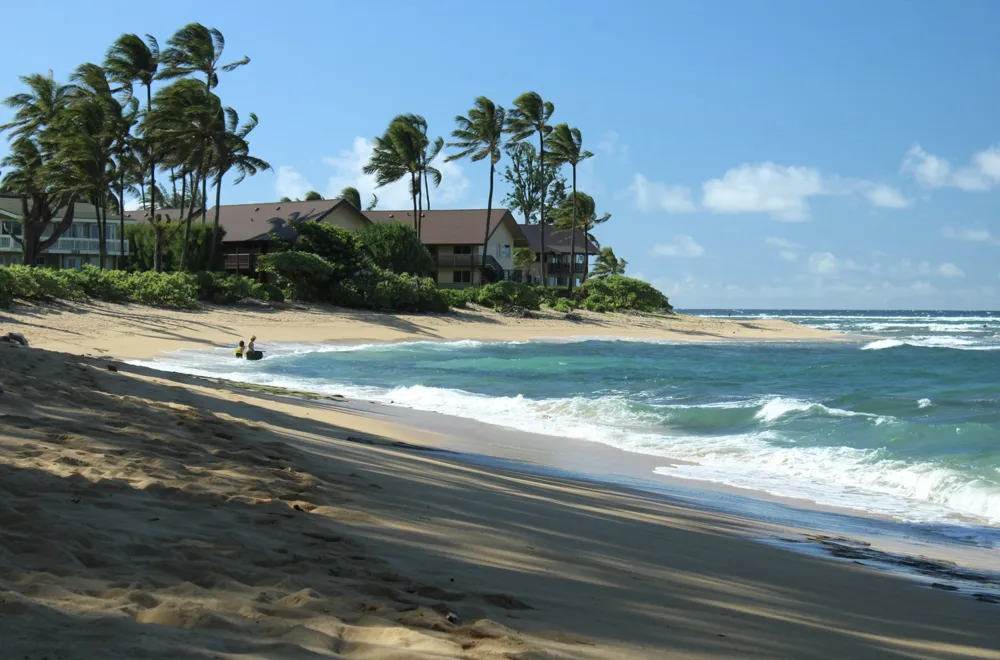
Kailua, Hawaii is more than a postcard-perfect beach town on Oahu’s windward coast—it’s a tight-knit community where single-family residences are the foundation of everyday life. If you’re exploring single-family residences in Kailua, Hawaii, you’re likely drawn by the island lifestyle, beloved schools, gorgeous beaches, and the quiet confidence of neighborhoods that feel established and welcoming. John Mack of Option One Realty brings years of local expertise to help buyers and sellers navigate this unique market with clarity and confidence.
Below, you’ll find a comprehensive, locally driven guide to single-family homes in Kailua, from neighborhood nuances and home construction details to market trends, zoning rules, and practical tips for both buyers and sellers.
Why Kailua Is a Top Choice for Single-Family Residences
Kailua balances small-town charm with big outdoor amenities. Families, professionals, and retirees choose Kailua for:
- Beaches and outdoor lifestyle: Kailua Beach Park and Lanikai Beach are world-class for swimming, kayaking, kiteboarding, and family beach days. The Lanikai Pillbox trail (Kaiwa Ridge) offers sweeping sunrise views, and Kawainui Marsh provides birdwatching and a peaceful walking path.
- A real neighborhood feel: Sidewalks, cul-de-sacs, and active neighborhood associations encourage a walkable, community-first lifestyle. Weekly farmers’ markets bring fresh produce and local vendors to the center of town.
- Strong school options: Kailua is home to well-regarded public and charter schools, including Aikahi Elementary, Lanikai Public Charter School, Kailua Elementary, Kainalu Elementary, Kailua Intermediate, and Kailua High. Private options such as Le Jardin Academy in Kailua provide additional pathways.
- Daily convenience: Kailua Town offers grocery options like Safeway and Whole Foods, plus an excellent mix of local eateries (from beachside classics like Buzz’s Original Steakhouse to Kalapawai Market & Cafe), coffee shops, a Target, and boutique retail.
- Easy island connectivity: Commuters use the Pali Highway, the Likelike Highway, and H-3 to reach Honolulu, Pearl Harbor, or the leeward side. Military households appreciate the proximity to Marine Corps Base Hawaii at Kaneohe Bay.
For buyers seeking single-family residences in Kailua, Hawaii, the lifestyle is every bit as compelling as the property itself.
Kailua Neighborhoods: What to Expect by Area
Kailua is a collection of distinct micro-neighborhoods, each with its own character, lot types, and proximity to the beach. John Mack helps clients match lifestyle goals with the right street and microclimate.
- Lanikai: Known for its powder-soft sand and clear water, Lanikai is a dream for ocean lovers. Homes here range from charming beach cottages to luxury estates. Expect tight roads, heavy weekend beach traffic, and residential parking controls to protect neighborhood access. Flood zone and shoreline-management considerations are common for properties close to the water.
- Kuulei Tract and Kalama Tract: Classic Kailua neighborhoods with broad streets, level lots, and a short stroll or bike ride to the beach. You’ll find many single-level, mid-century homes upgraded over time, with carports, lanais, and mature landscaping.
- Coconut Grove: Closer to Kailua Town with excellent walkability, Coconut Grove features older cottages and bungalows, many of which have seen tasteful renovations. Buyers often find a blend of vintage character and modern updates.
- Enchanted Lake and Keolu Hills: These areas offer a wide range of single-family residences—lakefront homes on Kaelepulu (Enchanted Lake) and hillside properties in Keolu with views and breezes. Many homes are well-positioned for solar, and split A/C is common.
- Aikahi Park and Kaimalino: Convenient to the H-3 and MCBH Kaneohe Bay, Aikahi Park is popular with military households and families wanting neighborhood sidewalks and a strong elementary school. Kaimalino, near the coast, includes larger lots and quiet, upscale streets.
- Kalaheo Hillside: Elevated lots catch trade winds and offer a cooler microclimate. Many homes here are mid-century ranches with upgrades to roofing, electrical, and plumbing over the years.
As you compare single-family residences across Kailua, Hawaii, pay close attention to flood zones, proximity to beach access points, parking regulations, and whether properties abut canals or wetlands that may affect insurance, permitting, or maintenance.
Home Styles and Construction: What Makes Kailua Homes Unique
Many Kailua single-family residences were built in the mid-20th century and carry hallmarks of island architecture:
- Single-level living: Older homes often feature single-wall redwood construction, open carports, and generous lanais for indoor-outdoor living.
- Block and framed additions: Over decades, owners have upgraded with CMU (concrete block) or framed additions, enclosed lanais, and expanded kitchens/baths.
- Roofs and ventilation: Trade winds and ridge vents keep many homes comfortable; some owners add split A/C for bedrooms or offices. Roofs range from asphalt shingle to more durable options.
- Solar and energy: Photovoltaic systems are common, sometimes with battery storage. Newer programs have replaced legacy net-metering, so energy economics vary by system.
- ADUs and multi-generational living: Accessory Dwelling Units (ADUs) are possible on qualifying lots per City & County of Honolulu rules. These can provide rental income or space for extended family when properly permitted.
John Mack helps clients evaluate build quality, unpermitted work, and the potential for tasteful, compliant improvements that enhance value without running afoul of local regulations.
Market Conditions: What Buyers and Sellers Should Know
Kailua is a supply-constrained submarket where demand outpaces inventory, especially for updated, beach-adjacent single-family residences. Key dynamics:
- Pricing: Kailua single-family homes often trade above the Oahu median due to location, lifestyle, and lot sizes. Premiums increase for walk-to-beach homes, view properties, and fully renovated designs.
- Pace of sales: Well-presented homes can attract multiple offers. Days on market vary by micro-neighborhood, pricing strategy, and seasonality.
- Seasonality: Spring and early summer are active due to school calendars and military PCS cycles. Beach proximity can magnify seasonal interest.
- Preparation matters: Pre-list inspections, staged interiors, and professional photography maximize list-to-sale results. Buyers who arrive with strong pre-approvals and aligned expectations are best positioned to win.
Option One Realty provides hyper-local pricing intelligence and a strategy-first approach tailored to Kailua’s micro-markets, helping clients act quickly and confidently.
Buying a Single-Family Residence in Kailua: Practical Tips
For buyers targeting single-family residences in Kailua, Hawaii, thorough due diligence is essential:
- Financing first: Competitive homes require a strong pre-approval. John Mack can introduce you to lenders with local underwriting experience for smoother closings.
- Construction review: Older Kailua homes may have single-wall construction, galvanized plumbing, or cast-iron drain lines. Budget for updates if needed. Verify roof age, electrical capacity (many homes have been upgraded from earlier service levels), and the condition of any enclosed lanais or additions.
- Termites and pests: A wood-destroying organism inspection is standard in Hawaii. Proactive treatment and maintenance are part of island homeownership.
- Insurance and risk: Hurricane coverage is typically separate from standard homeowners policies. Flood insurance may be required in AE or VE zones. Your insurance advisor can quote costs based on elevation certificates and proximity to the shoreline or canals.
- Permits and compliance: Confirm that expansions, decks, ohana units, or ADUs were properly permitted. Unpermitted improvements can affect financing and future resale.
- Environmental and cultural sensitivity: Portions of Kailua, especially near the coast, can fall within the Special Management Area (SMA), triggering additional permit scrutiny for certain improvements. Respect for cultural sites and shoreline rules is a community priority.
With a clear-eyed approach and local guidance, buyers can secure homes that fit both lifestyle and long-term value goals.
Selling a Kailua Single-Family Home: Strategy for Top Results
Sellers can maximize outcomes by tailoring their approach to Kailua’s distinct buyer pool:
- Pre-list readiness: Consider a pre-inspection to identify issues a buyer will likely flag. Address safety and permit-related items in advance to keep escrow clean.
- Staging the Kailua way: Lean into the beach-and-breeze vibe with uncluttered spaces, neutral palettes, and inviting outdoor areas. Fresh landscaping with native plants elevates curb appeal.
- Pricing micro-targeting: Price by street and school zone, not just ZIP code. John Mack combines on-the-ground intel with data to pinpoint the sweet spot that invites multiple offers without leaving money on the table.
- Marketing that moves buyers: Professional photography, sunrise or golden-hour exteriors, and concise copy emphasizing beach access, breezes, schools, and upgrades resonate with the Kailua buyer profile.
- Timing and accessibility: Weekend open houses are powerful but plan around beach traffic and neighborhood parking limits. Well-coordinated showings ensure serious buyers have access.
Option One Realty’s local network—including contractors, landscapers, stagers, and photographers—helps sellers present an effortless, move-in-ready story to the market.
Daily Life: Schools, Commute, Shopping, Health, and Recreation
Living in a Kailua single-family residence means integrating into a community designed for everyday ease:
- Schools: Kailua’s public options include Aikahi Elementary, Kailua Elementary, Kainalu Elementary, Lanikai Public Charter School, Kailua Intermediate, and Kailua High. Many families also look to Le Jardin Academy, a well-known private school in Kailua.
- Commute and connectivity: The Pali Highway (Route 61), Likelike Highway (Route 63), and H-3 offer multiple routes to Honolulu, Pearl Harbor, and the leeward side. Traffic ebbs and flows; early departures often yield smoother commutes.
- Shopping and dining: Kailua Town features Safeway, Whole Foods, Target, and an array of local eateries and coffee shops. Aikahi Park Shopping Center serves the northern end of Kailua near MCBH. Weekly farmers’ markets add fresh produce and local flair.
- Health and wellness: Adventist Health Castle (Castle Medical Center) in Kailua provides hospital and specialty services, while numerous clinics, pharmacies, and fitness studios are spread across town.
- Outdoor recreation: Beyond the famous beaches, families enjoy Kalama Beach Park, canoe clubs like Lanikai and Kailua Canoe Club, tennis and pickleball courts, bike paths, and easy access to kayaking on Kaelepulu and ocean paddling to the Mokulua Islands (weather permitting).
Kailua’s lifestyle rewards those who value community, nature, and a slower, more intentional rhythm of daily living.
Rules, Zoning, and Taxes: What to Know Before You Buy or Sell
Understanding local regulations helps protect your investment:
- Short-term rentals: The City & County of Honolulu enforces strict short-term rental rules. Most Kailua neighborhoods do not allow short stays in typical single-family residences except where specifically permitted or grandfathered. Rules have evolved in recent years, including longer minimum-stay requirements. Consult John Mack for the most current guidance before planning any rental strategy.
- Property taxes: Honolulu tax rates vary by use and classification (owner-occupied vs. non-owner-occupied, and Residential A tiers for higher-value non-owner properties). Owner-occupants generally benefit from exemptions and favorable rates. Specific rates change annually; your agent and a tax professional can run precise projections.
- Flood and shoreline: Homes near the beach, canals, or low-lying areas may sit in special flood hazard zones that affect insurance and permitting. Shoreline properties can face additional setbacks and maintenance considerations.
- SMA and permitting: Properties within the Special Management Area can trigger extra review for certain projects. Always verify permitting and zoning with the appropriate agencies before building or remodeling.
- ADUs: Accessory Dwelling Units are possible on qualifying lots if they meet City & County rules regarding lot size, parking, and utilities. Proper permits are essential for financing and resale.
Option One Realty keeps clients current on policy shifts so you can plan with confidence.
How John Mack and Option One Realty Elevate Your Kailua Results
Local real estate is hyper-personal. John Mack’s approach blends data, relationships, and on-the-ground experience:
- Kailua specialization: From Lanikai to Aikahi, John knows how trade winds, street orientation, school zones, and even weekend beach traffic can impact daily life and property value.
- Negotiation that protects you: In multiple-offer environments, details like escalation clauses, appraisal strategies, and inspection timelines matter. John crafts offers and counteroffers that maximize your position without unnecessary risk.
- Vendor network you can trust: Inspectors familiar with island construction, roofers who understand salt-air exposure, and surveyors who move quickly—relationships that save time and reduce stress.
- Clear communication: Whether you’re local or relocating from the mainland or abroad, John keeps timelines, disclosures, and milestones simple and transparent.
- Military relocation expertise: Proximity to MCBH makes Kailua a natural fit for military households. John understands PCS timelines, BAH considerations, and the need for precise closing coordination.
If your goal is to buy or sell single-family residences in Kailua, Hawaii with confidence, partnering with John Mack at Option One Realty ensures you get a strategic, concierge-level experience grounded in local knowledge.
Final Thoughts: Making Your Move in Kailua
Kailua offers a rare combination of natural beauty, community spirit, and a wide spectrum of single-family residences—from nostalgic beach cottages to reimagined mid-century homes and modern custom builds. Success in this market comes from understanding micro-neighborhoods, anticipating construction nuances, and staying current on regulations and taxes.
When you’re ready to take the next step, John Mack at Option One Realty is here to guide you—whether that’s fine-tuning your buying criteria, preparing your home to shine on the market, or mapping out a long-term investment plan in one of Oahu’s most desirable towns.